Recycling and Sustainability for Flat Clearance Cricklewood
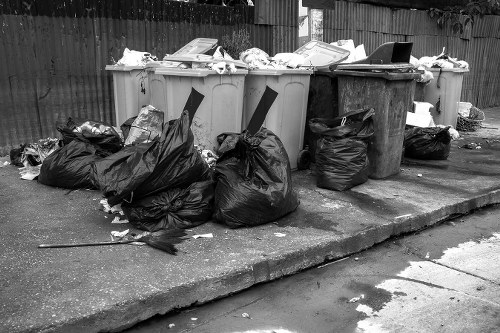
At Flat Clearance Cricklewood we place the environment at the heart of every clearance. Our approach to an eco-friendly waste disposal area and creation of a true sustainable rubbish area means every flat clearance is planned to maximise reuse, recycling and low-carbon outcomes. We work across Cricklewood and neighbouring parts of Barnet and Brent to reduce landfill, divert useful materials and support local circular-economy activities.Every clearance follows a simple sustainability-first blueprint: assess, segregate, rehome and recycle. Our teams sort items on-site for donation, salvage and material recovery. We run dedicated collections for furniture, textiles, WEEE (waste electrical and electronic equipment), scrap metal, and clean bulky waste. Where possible we prioritise reuse over recycling, extending the life of household goods and reducing embodied carbon.
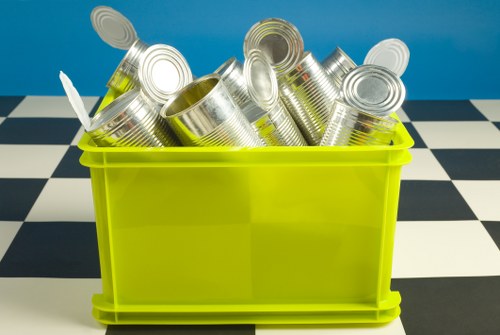 Services focused on resource recovery: we collect, sort and route materials to the most appropriate facilities. Typical outputs include:
- Reusable furniture and household items for charity partners
- Paper, card and mixed packaging for MRFs (material recovery facilities)
- Glass and metals separated at source
- WEEE and batteries captured for specialist recycling
Recycling percentage target and performance goals
We have set an ambitious recycling target: a minimum 70% recycling and reuse rate on every clearance within the next two years, rising to 75% within three years. This recycling percentage target is actively monitored across jobs and reported internally to drive continuous improvement. Targets apply to both hard-to-handle bulky loads and smaller household clearances, and are embedded in crew training and daily checklists.To hit these goals we maintain strict segregation routines and invest in partnerships that boost reuse rates. Crews are trained to triage items for refurbishment, specialist reuse and safe material recovery. Where items are unsuitable for reuse, they are sent to authorised recovery streams to ensure the highest possible recycling capture.
Local transfer stations and authorised routes
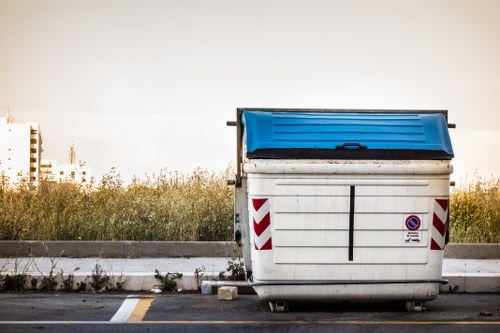
We use local transfer stations and borough recycling centres to keep the carbon footprint low and ensure materials are handled by approved facilities. In practice that means routing segregated loads to nearby civic amenity sites and borough transfer stations serving Barnet and Brent, and onward to licensed MRFs and specialist processors for textiles, glass, metals and electronics. By choosing proximate transfer points we reduce vehicle miles and speed materials into the correct recycling streams.Charity partnerships and community reuse are central to our sustainability model. We work with local community furniture projects, charity shops and reuse organisations that accept living-room and bedroom furniture, small appliances and household items suitable for resale. These collaborations turn potential waste into value for local residents, support social causes and keep items in circulation. We prioritise donation and reuse wherever possible and operate transparent handover records so donors and crews know where items go.
Local boroughs' waste separation practices influence how we operate: many Barnet and Brent kerbside schemes separate food waste, paper and card, glass and mixed recycling. We align with these systems by pre-sorting materials to the same categories, which makes subsequent processing at transfer stations and MRFs more efficient. Hazardous components such as paint, solvents and batteries are segregated and directed to specialist hazardous waste streams in line with borough guidance.
 Low-carbon vans and fleet strategy Our fleet strategy focuses on low-emission transport: we operate electric vans for short urban runs, plug-in hybrids for mixed routes and modern Euro 6-engine vehicles where necessary. Route optimisation software reduces mileage and idling time, and combining loads for neighbourhood clearances increases fill rates. Together these measures significantly reduce the carbon intensity per job, supporting our wider aim of decarbonising clearance services in Cricklewood and nearby communities.
Measurement, transparency and continuous improvement We track key metrics for each job: proportion reused, recycled, sent to energy recovery and landfilled. Monthly performance reviews compare outcomes against the recycling percentage target and identify opportunities to divert more materials into reuse channels. Data also informs investment in crew training, additional sorting equipment and expanding charity partners.
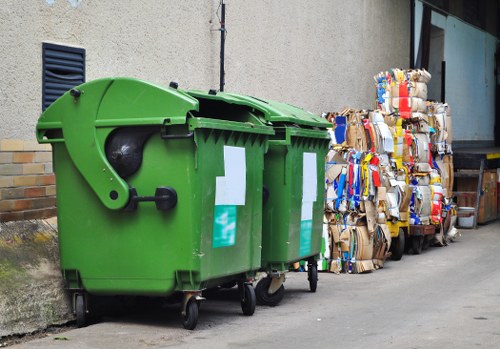 To make an effective eco-friendly waste disposal area and a lasting sustainable rubbish area, collaboration across the supply chain is essential. That is why we maintain relationships with local transfer stations, licensed MRFs, community reuse organisations and charity partners. Our combined efforts reduce environmental impact, support local social programmes and make Cricklewood clearances more resource-efficient.
Our commitment: clear, measurable targets, responsible routing through local transfer stations, strong partnerships with charities for reuse, and a low-carbon van fleet. Together these elements deliver a practical, neighbourhood-focused approach to sustainable flat clearance in Cricklewood — prioritising reuse and recycling to protect local environments and cut carbon emissions.